Empowering pre-diabetic users
Empowering pre-diabetic users
Empowering pre-diabetic users
through behavioral nudges and personalized health insights using AI
through behavioral nudges and personalized health insights using AI
through behavioral nudges and personalized health insights using AI
Company
Company
SynchNeuro, Inc.
SynchNeuro, Inc.
Role
Role
Product Design Intern
Product Design Intern
Duration
Duration
08 months
08 months
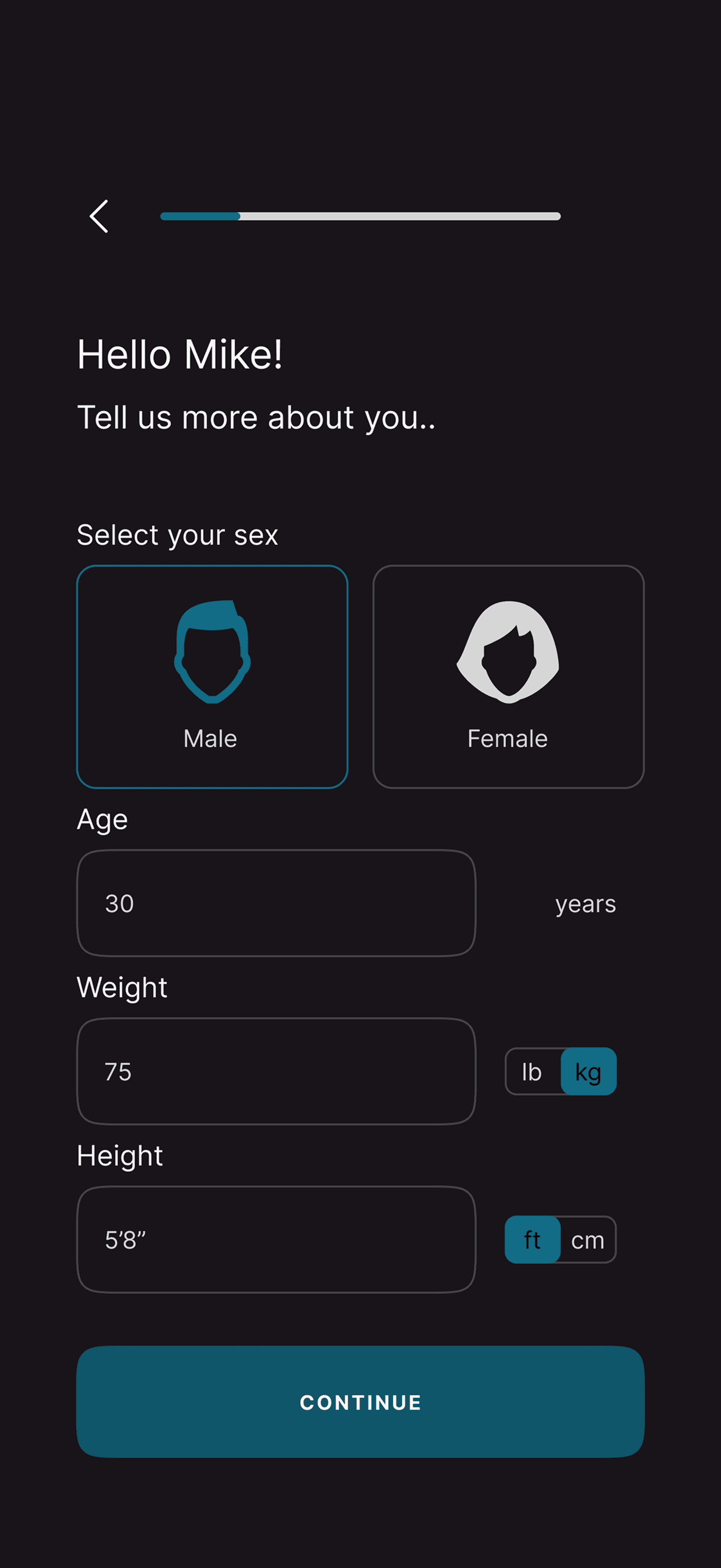
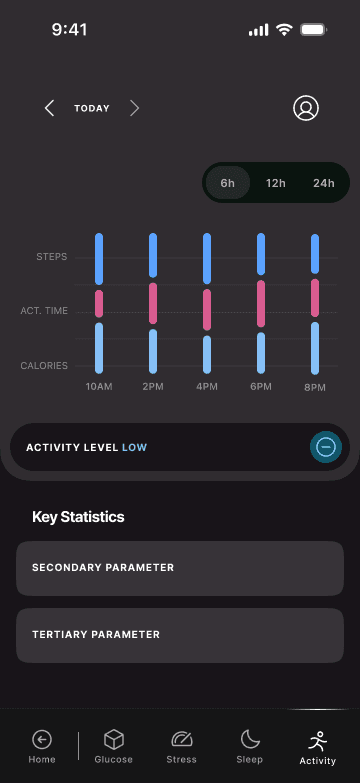
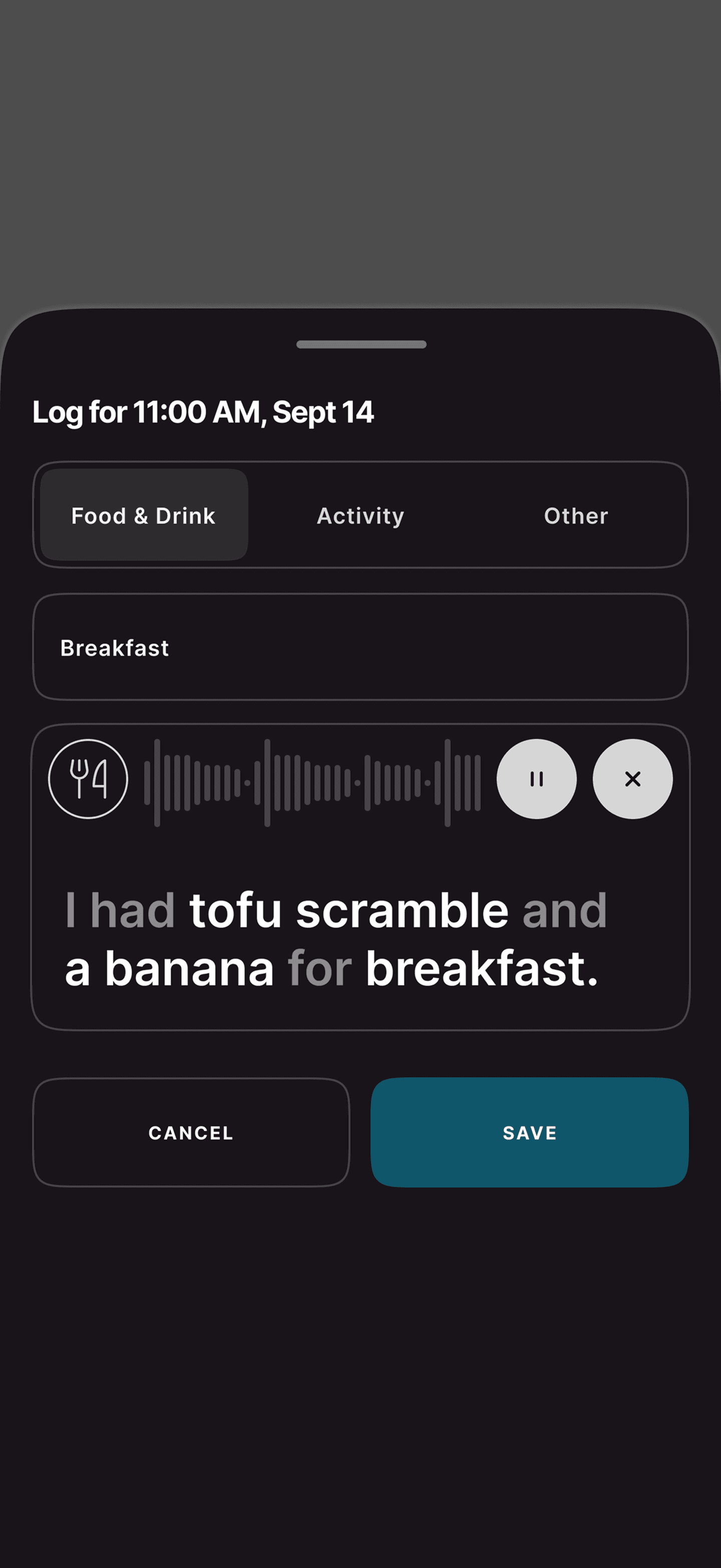
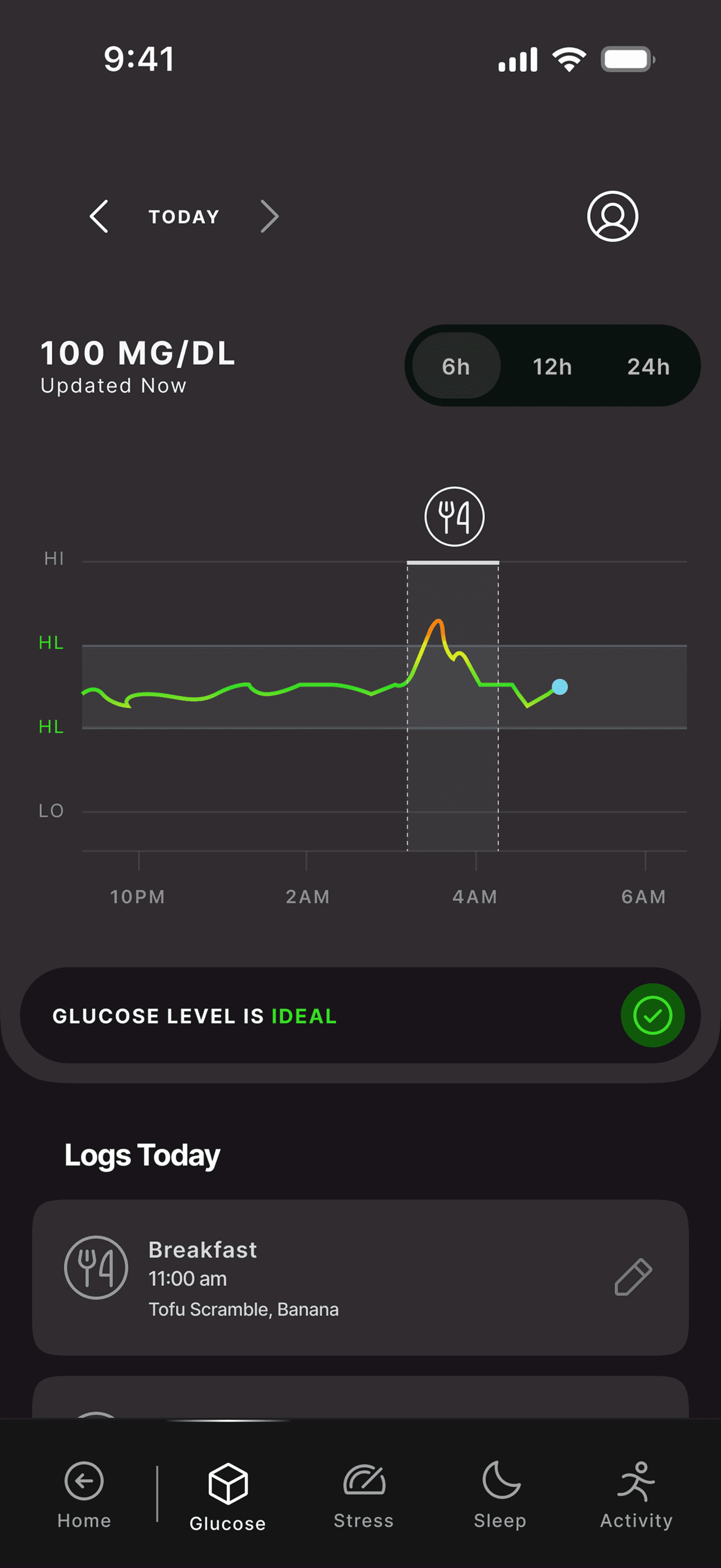

Problem Area
Problem Area
Problem Area
1 in 3 adults suffer from pre-diabetes. They have an increased risk of diabetes due to a disconnect from personalized, simple health data
Underlying technology
Underlying technology
Underlying technology
SynchNeuro, Inc. has developed a non-invasive CGM that converts brain signals to glucose levels
Challenge
Challenge
Challenge
Bringing clarity from complex information, for actionable metabolic well-being
Approach
Approach
Approach
Primary research
To understand the domain and current situation
Competitive Analysis
Competitive Analysis
Physical + Digital
tools
Interviews
Interviews
Patients + Healthcare
professionals
Systematic deconstruction
Breaking down into layers of functional clusters, which directly affect pre-diabetic health
Functions wrt UX
Metabolic health management
Actionable insights
Personalized recommendations
Micro-progress
Categories
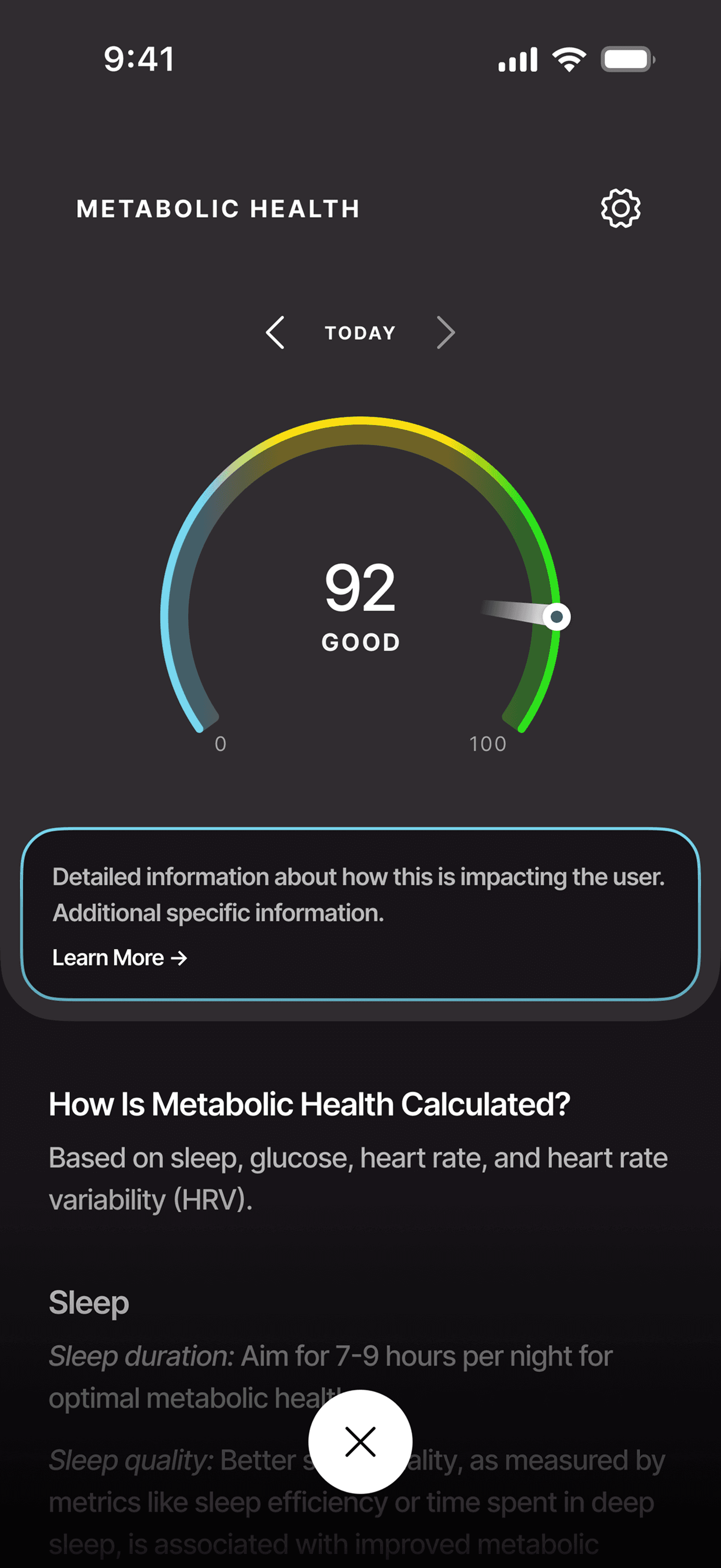
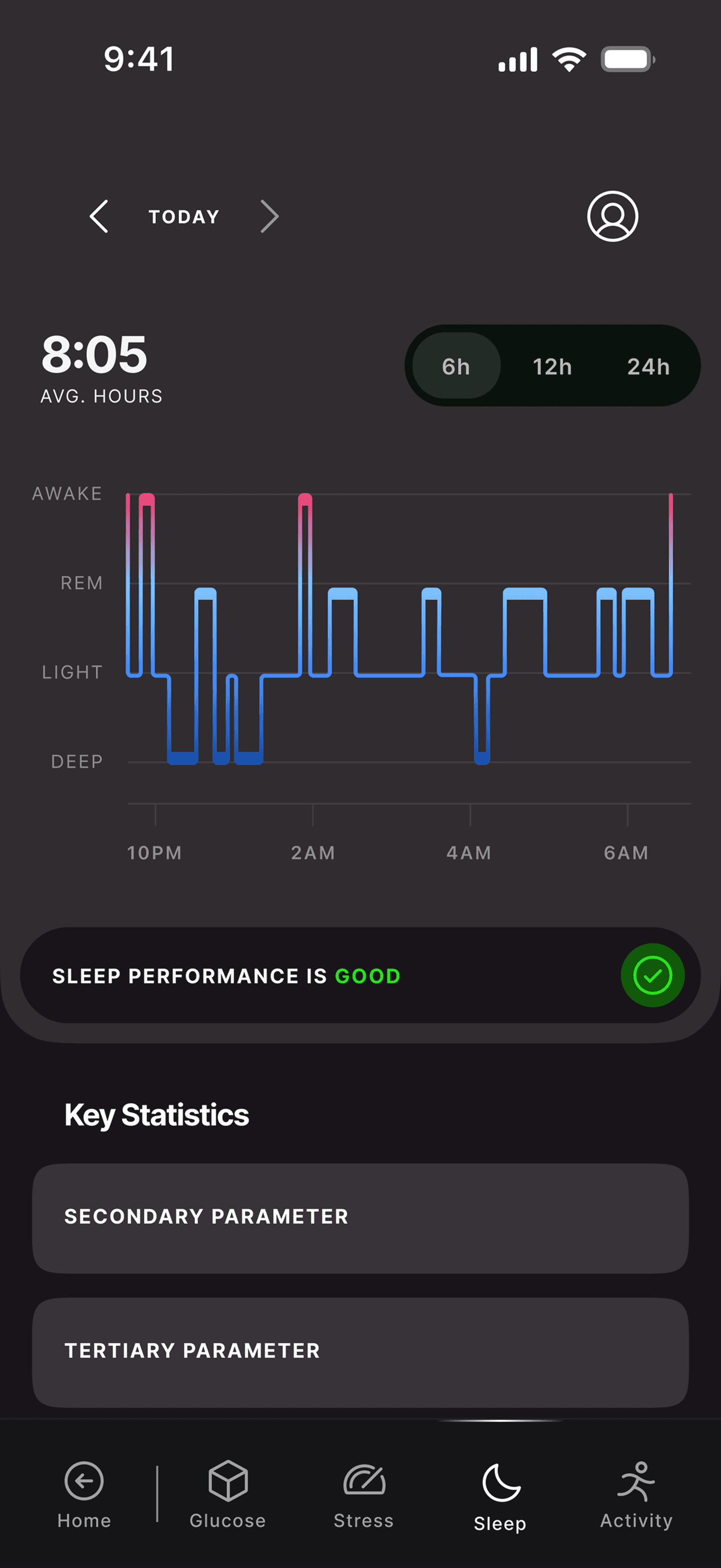
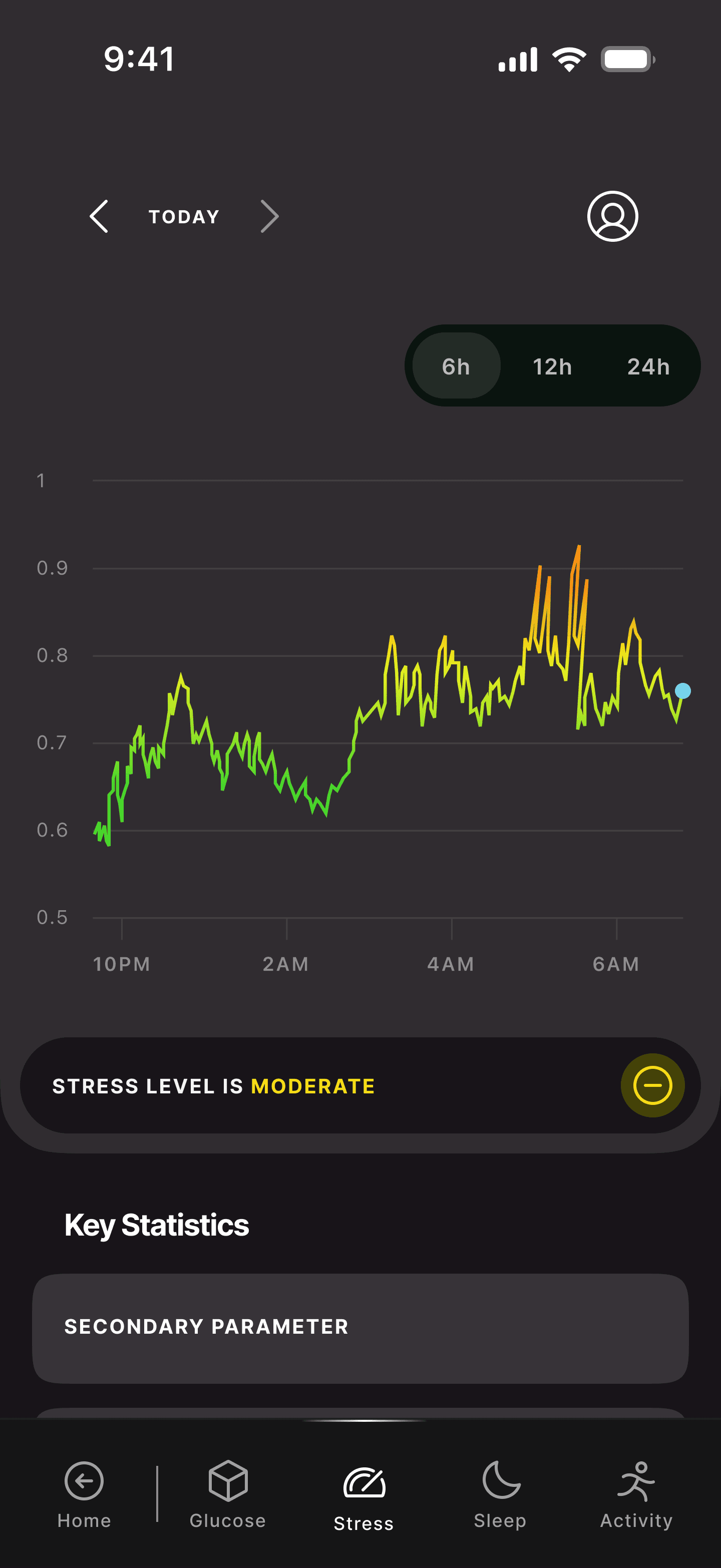
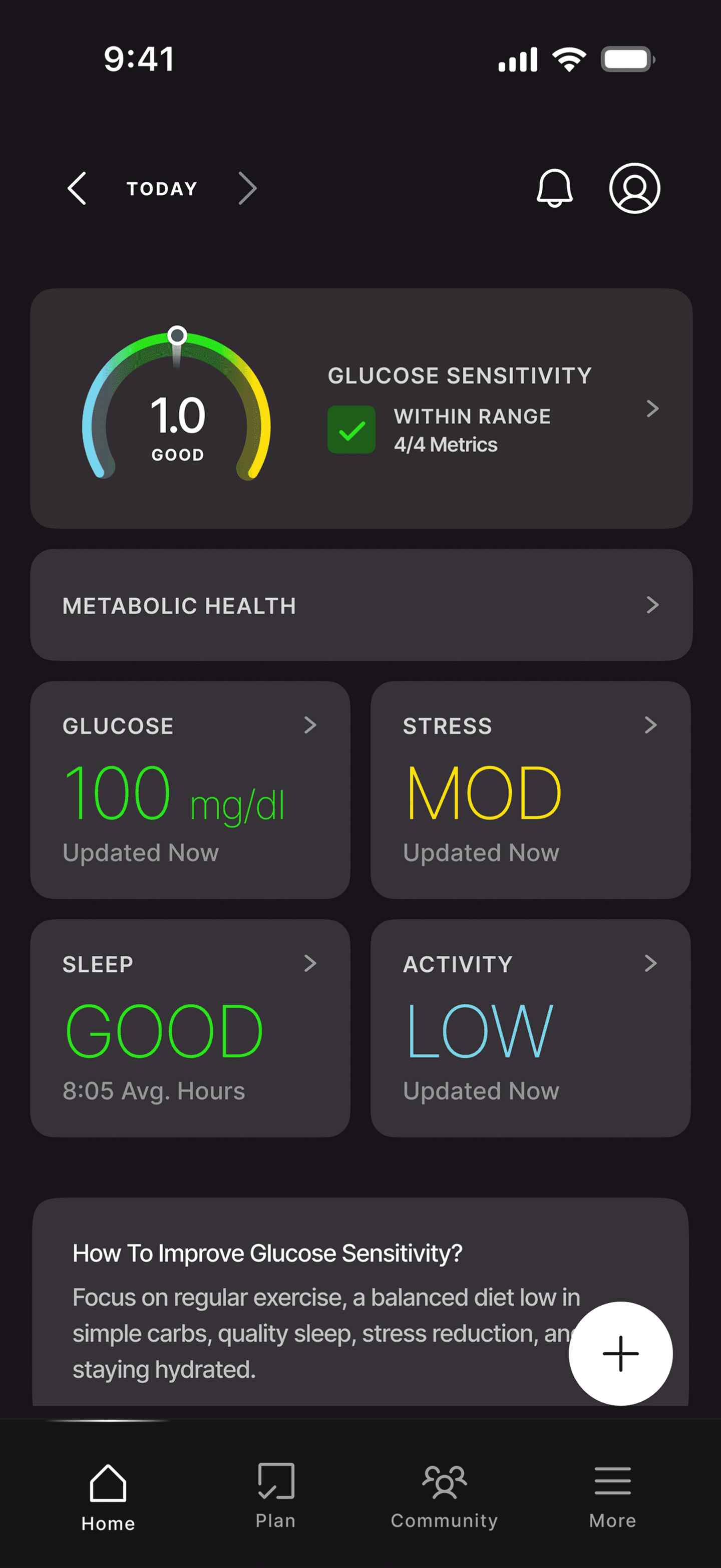
Glucose, Stress, Sleep, Activity
Terminologies
Glucose Sensitivity, Metabolic Score
AI-generated data

Task 1/4

Task 2/4
Moderated Study
To validate early design directions
Qualitative
Focus Group
MUST
Quantitative
Real-time Survey
SUS
Moderated Study
To validate early design directions
Task 1/4
Task 2/4
Insights
Insights
Insights
Shaped the direction for 5 key features and addressed 80% improvement in usability
Shaped the direction for 5 key features
63%
found health-related copy too clinical, yet approved terminologies
Behavior linked tips
were preferred over generic ones, especially for AI predictions of glucose levels
9 of 10
faced navigation issues in at least one task
70%
reported logging fatigue, especially for meals and symptoms
Only 30%
would stay over 2 weeks without progress metrics
5 of 8
were unaware of influences on categories and sensor’s role
Design Outcomes
Design Outcomes
Design Outcomes
Design
Business Alignment
Business Alignment
Business Alignment
Addressed 80% improvement in usability, with the design going hand-in-hand on the company strategy and goals. Currently in production and user testing, soon to be launched!
Empowering pre-diabetic users
Empowering pre-diabetic users
Empowering pre-diabetic users
through behavioral nudges and personalized health insights using AI
through behavioral nudges and personalized health insights using AI
through behavioral nudges and personalized health insights using AI
Company
Company
SynchNeuro, Inc.
SynchNeuro, Inc.
Role
Role
Product Design Intern
Product Design Intern
Duration
Duration
08 months
08 months
Problem Area
Problem Area
Problem Area
1 in 3 adults suffer from pre-diabetes. They have an increased risk of diabetes due to a disconnect from personalized, simple health data
Underlying technology
Underlying technology
Underlying technology
SynchNeuro, Inc. has developed a non-invasive CGM that converts brain signals to glucose levels
Challenge
Challenge
Challenge
Bringing clarity from complex information, for actionable metabolic well-being
Approach
Approach
Approach
Primary research
To understand the domain and current situation
Competitive Analysis
Competitive Analysis
Physical + Digital
tools
Interviews
Interviews
Patients + Healthcare
professionals
Systematic deconstruction
Breaking down into layers of functional clusters, which directly affect pre-diabetic health
Functions wrt UX
Metabolic health management
Actionable insights
Personalized recommendations
Micro-progress
Categories
Glucose, Stress, Sleep, Activity
Terminologies
Glucose Sensitivity, Metabolic Score
AI-generated data
Task 1/4
Task 2/4
Moderated Study
To validate early design directions
Qualitative
Focus Group
MUST
Quantitative
Real-time Survey
SUS
Moderated Study
To validate early design directions
Task 1/4
Task 2/4
Insights
Insights
Insights
Shaped the direction for 5 key features and addressed 80% improvement in usability
Shaped the direction for 5 key features
63%
found health-related copy too clinical, yet approved terminologies
Behavior linked tips
were preferred over generic ones, especially for AI predictions of glucose levels
9 of 10
faced navigation issues in at least one task
70%
reported logging fatigue, especially for meals and symptoms
Only 30%
would stay over 2 weeks without progress metrics
5 of 8
were unaware of influences on categories and sensor’s role
Design Outcomes
Design Outcomes
Design Outcomes
Design
Business Alignment
Business Alignment
Business Alignment
Addressed 80% improvement in usability, with the design going hand-in-hand on the company strategy and goals. Currently in production and user testing, soon to be launched!